
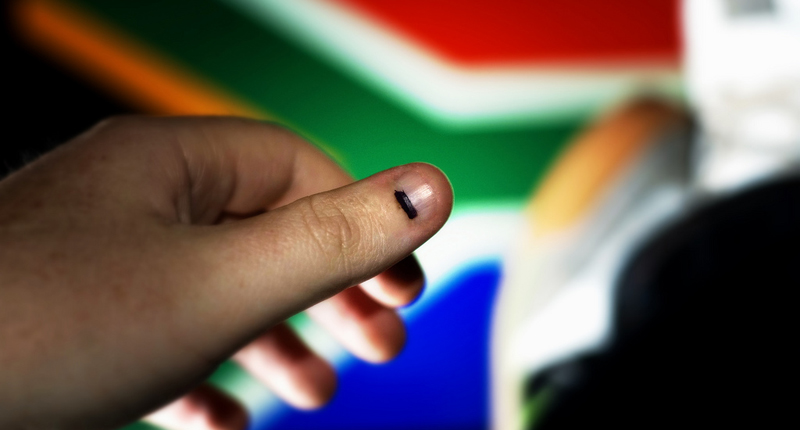
Voting is about more than choosing a political party. It is about having a say in the decisions that affect our everyday lives, our communities and the future we want for our children.
From the quality of our schools and public healthcare to safer neighbourhoods, reliable public services, parks and recreational facilities, decisions made by elected representatives can have a lasting impact on families. Voting gives citizens an opportunity to help determine who makes these decisions and to hold elected leaders accountable.
As South Africa prepares for its 2026 Local Government Elections, new figures from the Electoral Commission of South Africa (IEC) highlight an encouraging development: young South Africans are playing an increasingly important role in the country’s electoral future.
Young South Africans Are Making Their Voices Heard
According to the IEC’s announcement on 3 August 2026, nearly half of all first-time voter registrations (46%) recorded during the final registration weekend came from people under the age of 29. These figures show that young people are engaging with the electoral process and that every generation has a role to play in shaping South Africa’s future.
Local government plays an important role in many of the services families rely on every day. When services work well, communities benefit which means voting in local government elections gives eligible citizens an opportunity to choose the representatives responsible for municipal leadership. Voting alone cannot solve every problem, but participating in elections gives citizens a formal way to influence who governs and to demand accountability afterwards.
Your Vote Is a Voice for the Next Generation
By participating in elections, adults can help influence the priorities that affect young people, including:
- Safer neighbourhoods and well-maintained public spaces.
- Better access to quality education and essential public services.
- Clean parks, playgrounds and recreational facilities.
- More accountable local leadership and responsible use of public funds.
- Communities that offer children opportunities to learn, develop and thrive.
South Africa’s future belongs to all its people, and building stronger communities requires participation, accountability and a willingness to get involved. Voting may take only a few minutes, but the decisions made by elected representatives can affect communities for years to come.
PS. I’ve written this while not having municipal water and the refuse hasn’t been picked up for the past week and a half!
Note: If you enjoyed this article, and would like to stay updated with more, you can:
- Subscribe to our free weekly Jozikids newsletter for parents in Gauteng
- Like us on Facebook
- Follow us on Instagram









One Response
Voting is about choice not voice. When your choices are narrow (and often not representative of your own interests and values) and trust in the system so diminished, it is understandable that voting has little value for today’s youth. I think those stats suggest that a lot of people want real change, real participatory, direct and substantive democracy, which representation just cannot provide. This is some interesting related reading https://www.truth-out.org/opinion/item/19654-public-intellectuals-against-the-neoliberal-university